The History of Art in Kenya
How art in Kenya has evolved throughout the years.
Aaron Kiuna
10/12/20251 min read

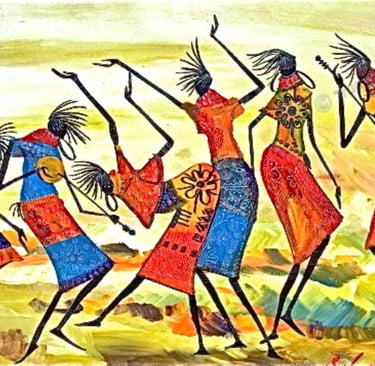
The history of art in Kenya is rich and deeply rooted in the country’s diverse cultures and traditions, reflecting the heritage of its many ethnic communities. Traditionally, Kenyan art was closely tied to daily life, rituals, and spiritual beliefs, with craftsmanship expressed through pottery, beadwork, wood carving, basket weaving, and textiles. These art forms were not only utilitarian but also held symbolic meanings and social significance in communities such as the Kikuyu, Maasai, Luo, and Kalenjin.
In the early 20th century, Kenyan art began to gain wider exposure beyond local communities, influenced by colonial encounters and missionary activities that introduced new materials and forms of artistic expression. During this period, artists started experimenting with new mediums like painting and sculpture, blending indigenous aesthetics with Western artistic techniques.
Post-independence in the 1960s marked a turning point, with artists actively seeking to reclaim and celebrate African identity and cultural pride through their work. The establishment of art schools and galleries, such as the Kenya National Theatre and the National Museums of Kenya, helped nurture talent and promote creative expression across the country. Influential artists like Joseph Bertiers and Wambui Mwangi emerged to spotlight social and political themes relevant to Kenya.
Over the decades, Kenyan art has continued to evolve, embracing contemporary forms and global influences while maintaining a strong connection to traditional themes. Today, Kenya’s art scene is vibrant and diverse, encompassing visual arts, sculpture, fashion, and digital media. It stands as a testament to the nation’s history, culture, and ongoing creative innovation.